x
x


Our collaboration with Future Mind was seamless, providing us not only with specialized mobile technical expertise, but also a deep understanding of our core business realities. Within a remarkably short timeframe, their team delivered a wealth of creative, straightforward, yet surprisingly ingenious solutions. This swift execution showcased exceptional quality at every single level of our partnership.

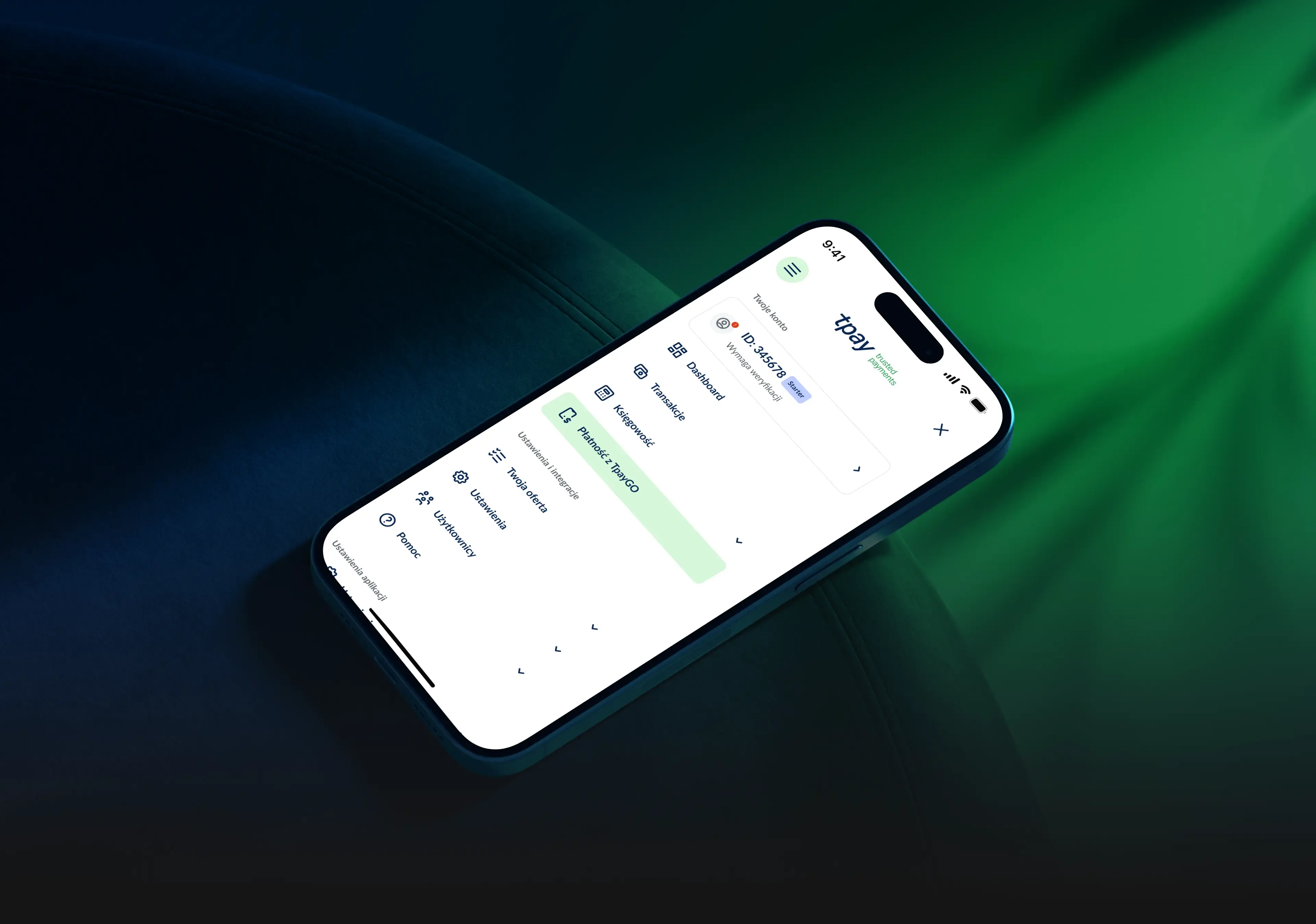
Tpay, a leading e-commerce payment provider, was aiming to make their web-based Merchant Panel available on smartphones.
The objective was to create a streamlined app that would allow entrepreneurs to manage their e-commerce payments on the go, removing the friction of desktop-only access and setting the stage for more features in the future.
Future Mind was quickly chosen to deliver this project due to our experience in mobile development and the finance sector.
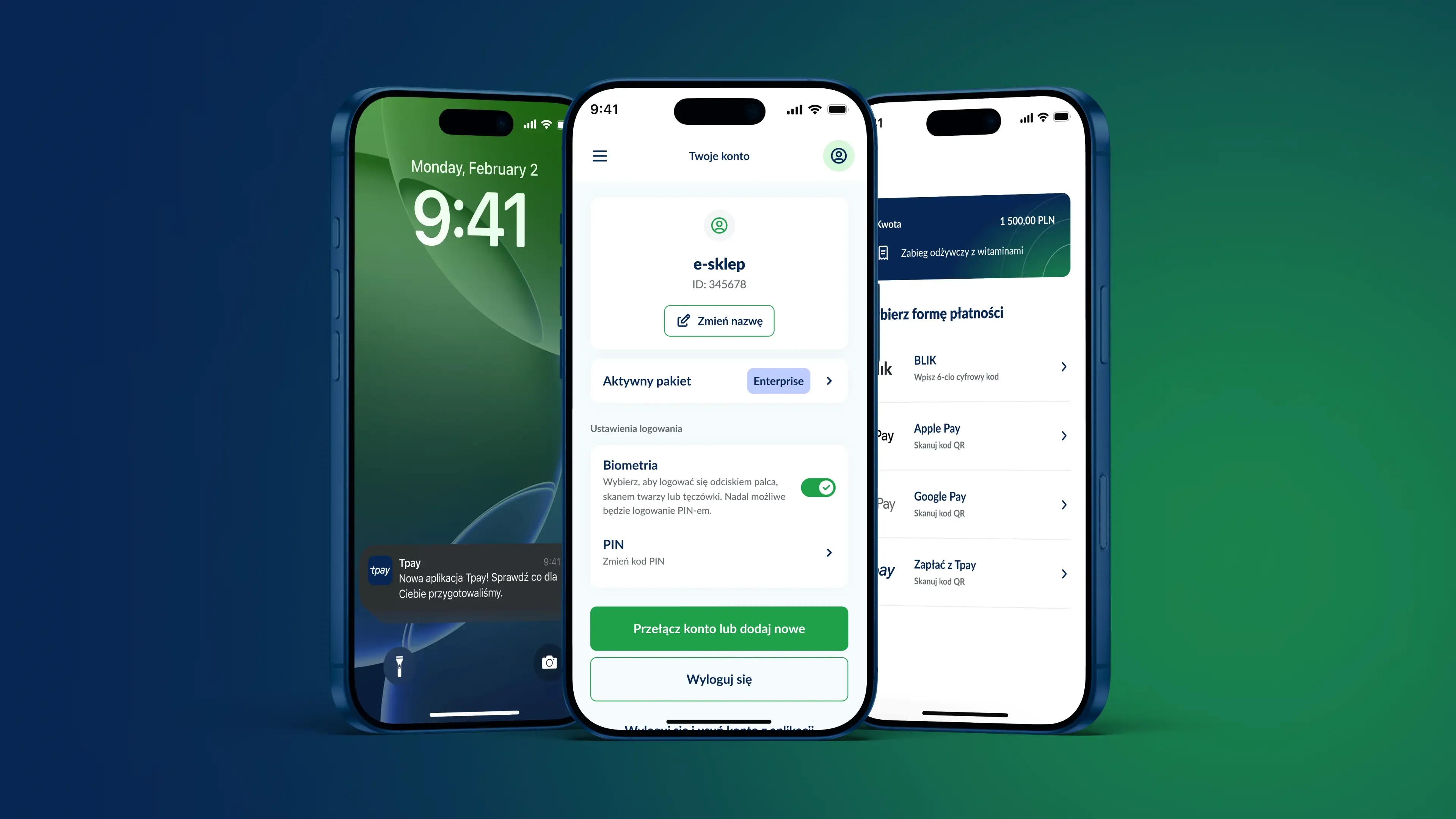
Our discovery phase highlighted that merchants often manage multiple businesses and faced significant friction logging in and out of different accounts via a mobile browser or on desktop. We prioritized a "multi-profile" native feature to solve this, allowing users to switch contexts instantly.
We also decided to render the web dashboard inside the app, ensuring that any update made to the web panel would be immediately reflected in the mobile app, drastically reducing maintenance overhead and time-to-market.
This approach leveraged Tpay’s existing React-based architecture while wrapping it in a high-performance native container.
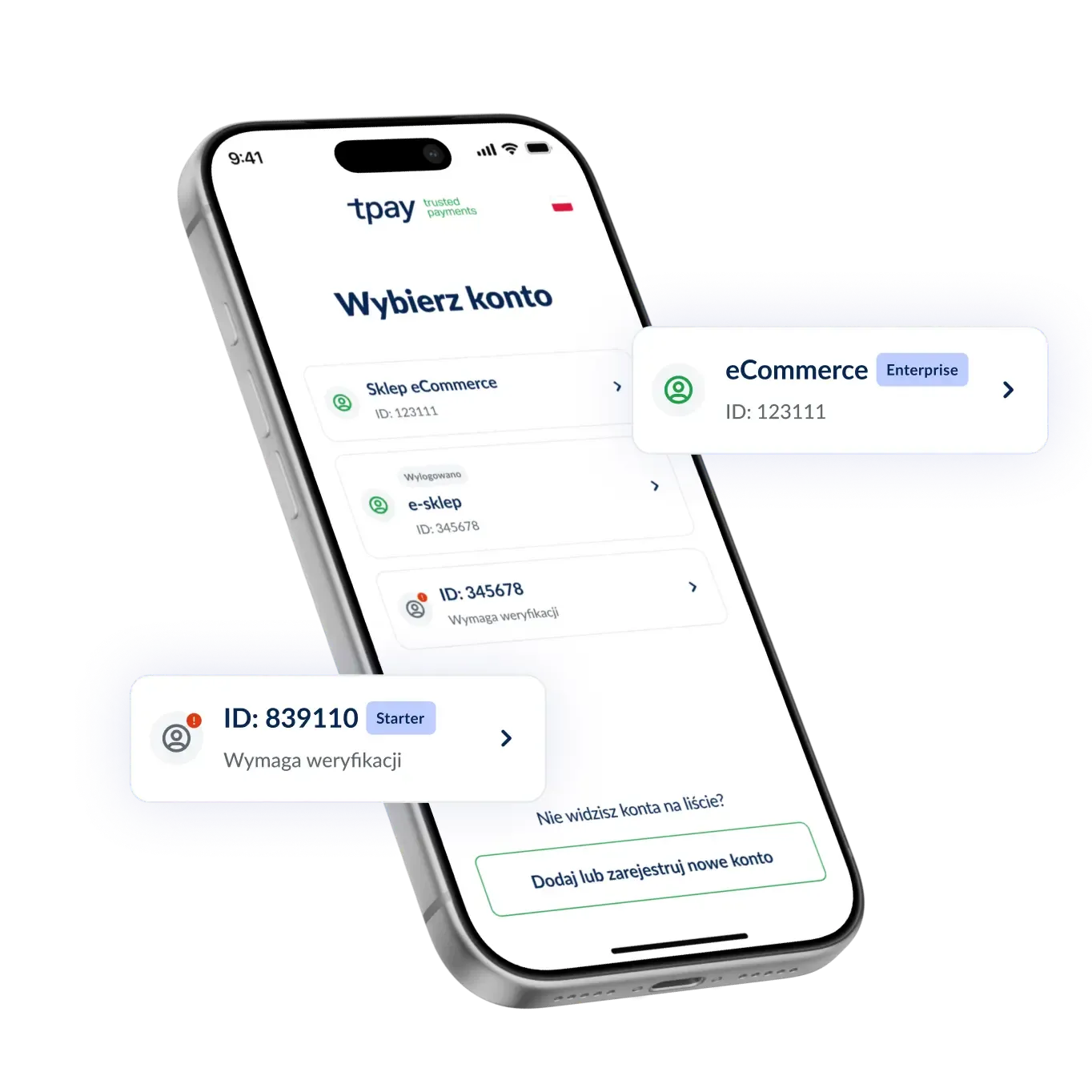
The native environment handles critical user interactions such as the onboarding flow, login, and the contact form, ensuring a responsive and intuitive experience.
The core innovation lies in the native profile management system. We implemented secure storage that allows merchants to add multiple accounts, label them, and switch between them instantly using Face ID, Touch ID, or a PIN.
This bypasses the slow web login sequences entirely. Inside the app, content is served via WebView, but with a custom UI overlay that strips away unnecessary web navigation, presenting the data in a clean, app-like interface.
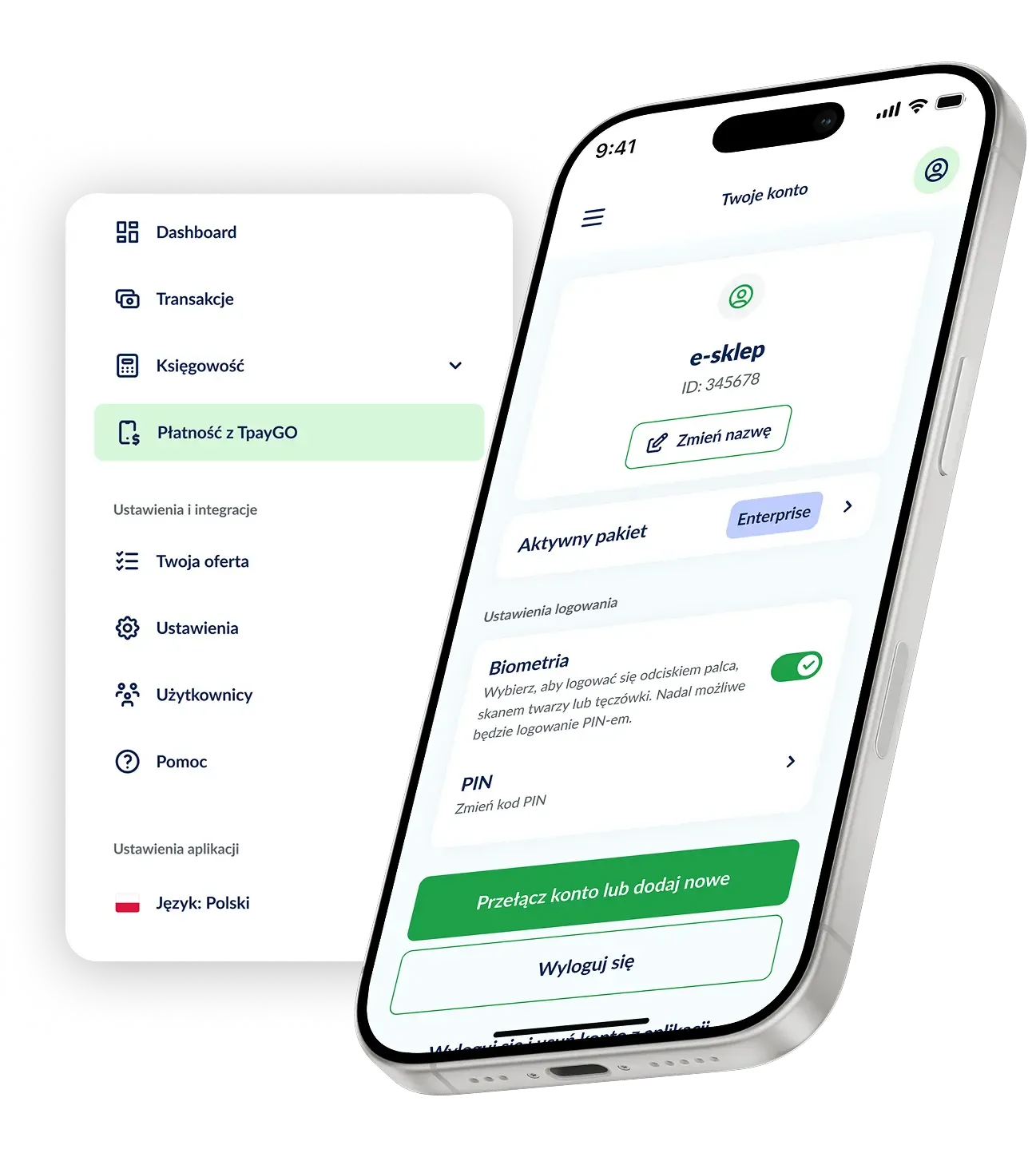
By building a native wrapper around Tpay’s existing web components, we achieved full feature parity at launch, meaning merchants had access to transaction monitoring, refunds, and technical documentation immediately, without waiting for native rewrites.
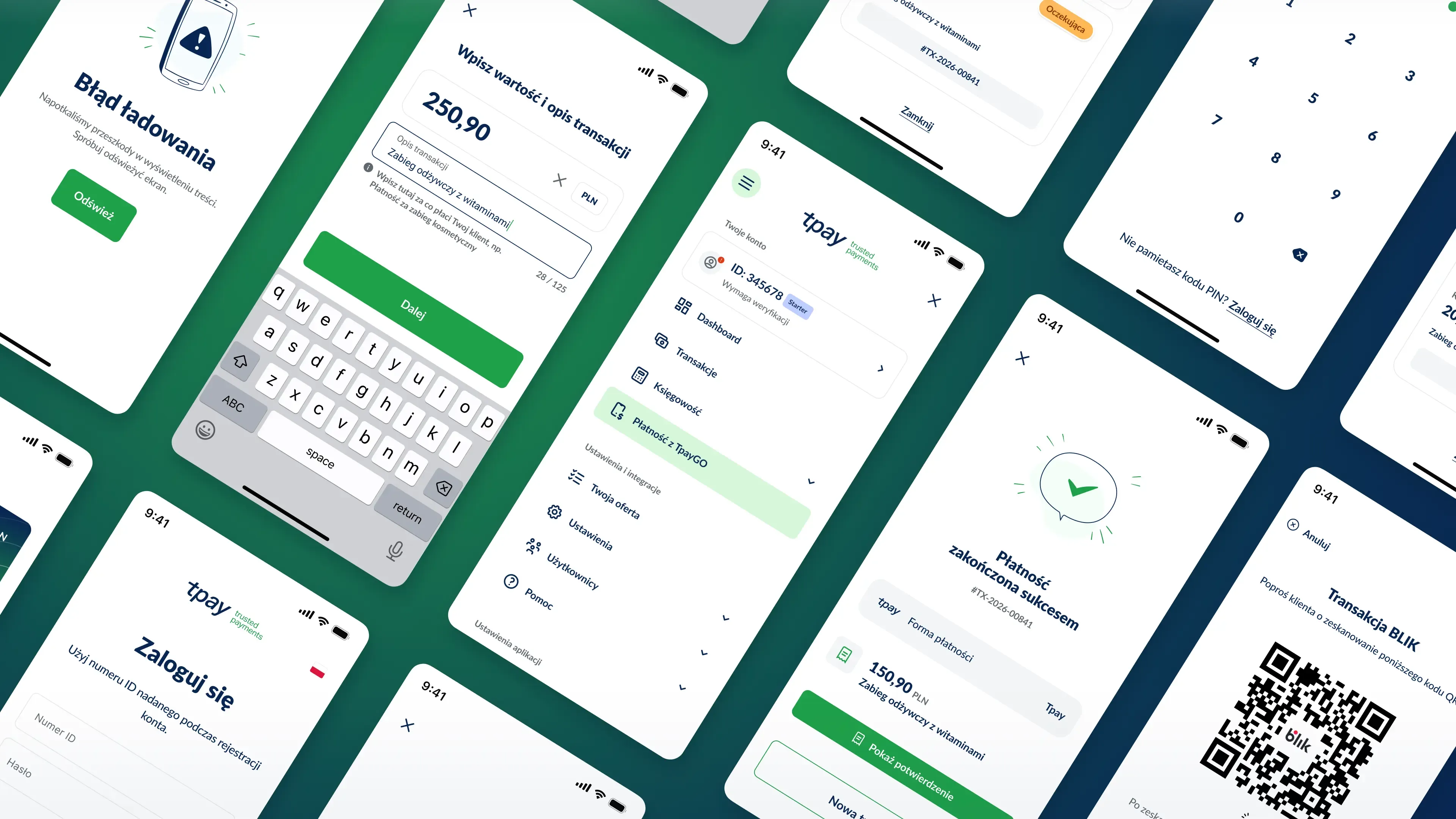
Our designers managed to create mobile assets based on Tpay’s branding in no time, and thanks to a component-based design system approach, developers could quickly introduce them to the app with ready code snippets.
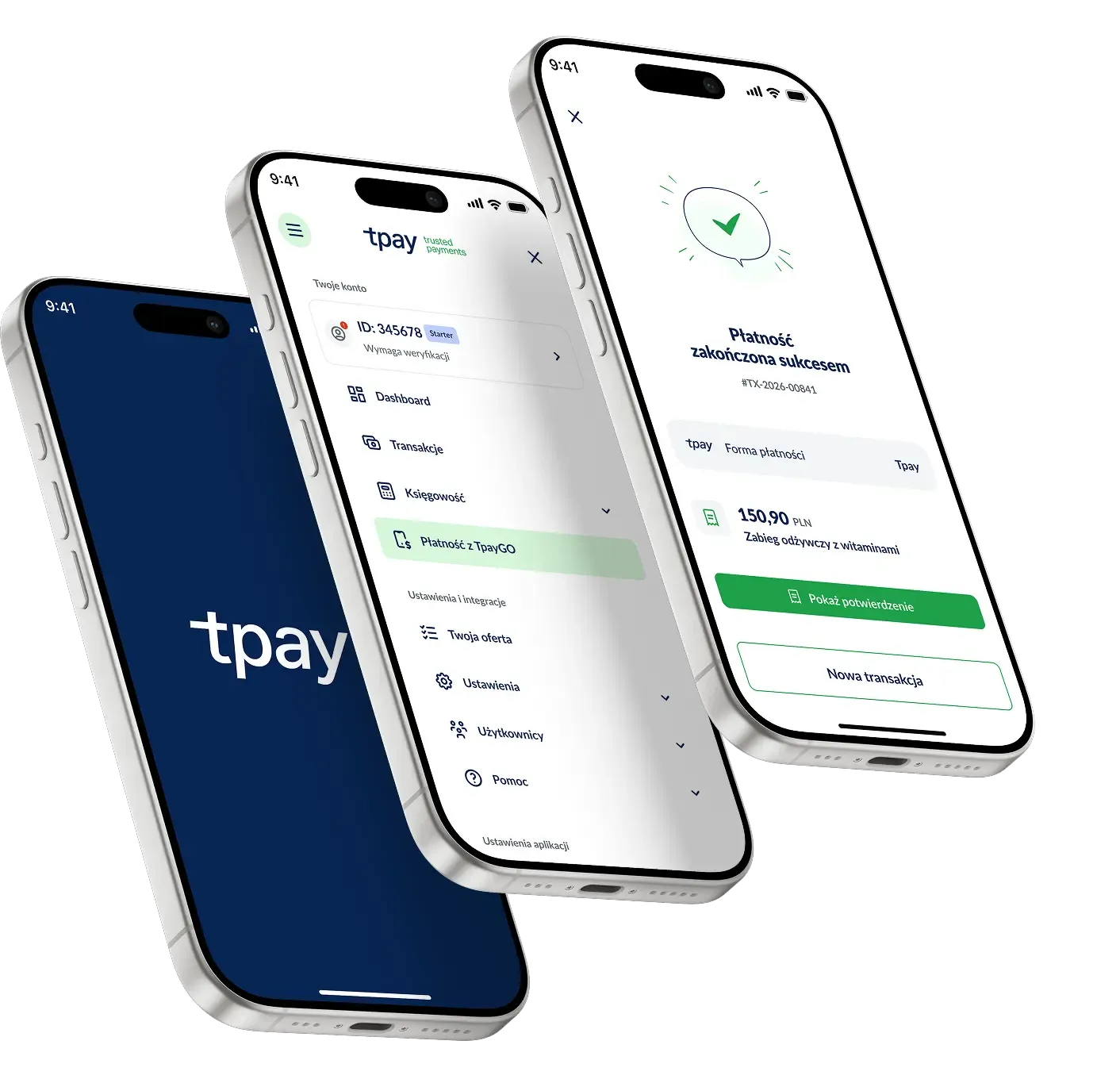
What had started as a command center for managing payments became a tool for accepting them too. Merchants can now generate a transaction, present a QR code, and let the customer pay through the same familiar e-commerce paywall, without any physical hardware.
Future Mind delivered the full design for TpayGO, including a white-label variant that lets other companies deploy the terminal under their own brand, and implemented the solution into the app.
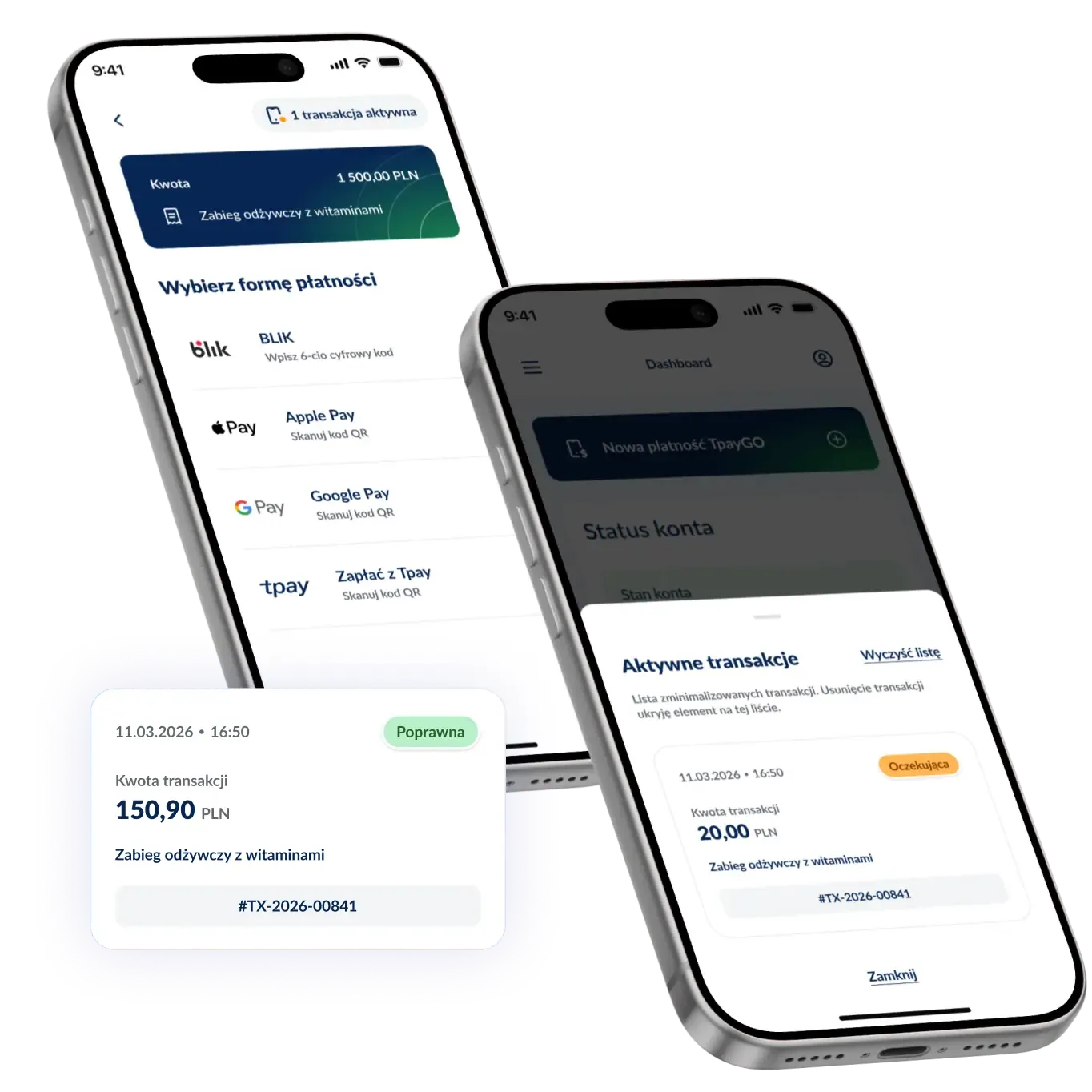
It puts full control over business operations directly into the merchant's pocket, streamlining daily workflows with real-time transaction monitoring and instant refund authorization. By enabling the generation of payment links and remote management of payment methods, users can seize sales opportunities and adapt to market conditions without being tethered to a desktop or having to deal with a clunky mobile browser.
Instant push notifications keep merchants informed about critical store events, and direct access to technical support ensures that help is always available, making business management seamless and efficient around the clock. Meanwhile, the TpayGO feature lets retailers process offline sales without a dedicated point of sale device.